


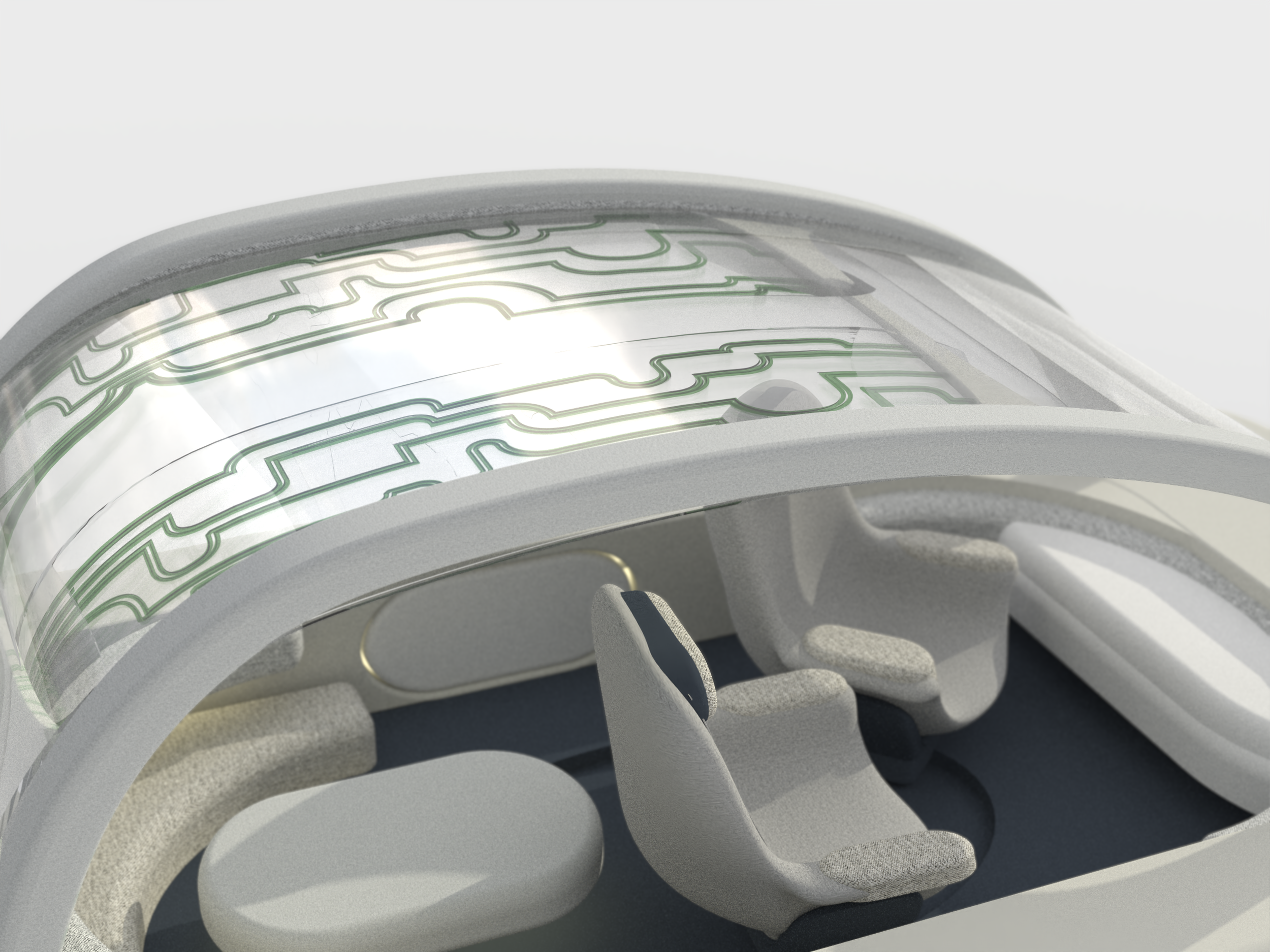
Seamlessly integrated into the ventilation system of this future vehicle, this modular algae panel provides not only passive clean air but also sunshade and inspires curiosity for the power of nature.
Time Frame
8 Weeks– Jan-Jul 2024
Team: Individual
An extension of previous project Air Pocket, a collaboration with a Hyundai CMF Designer.
Skills:
Design research, Adobe Creative Suite PS AI, CAD Modeling 3D printing, Procreate
Polluted air is concentrated in indoor spaces.
It is well known that cars produce carbon emissions.
In South Korea, vehicles produce around 27% of emissions. Moreover, micro-dust, consisting of carbon and metals, build up and directly harm human cells. This can lead to a shortened lifespan, birth defects, and respiratory disease.
How might we provide clean air to the passenger and reduce carbon emissions?
Goal
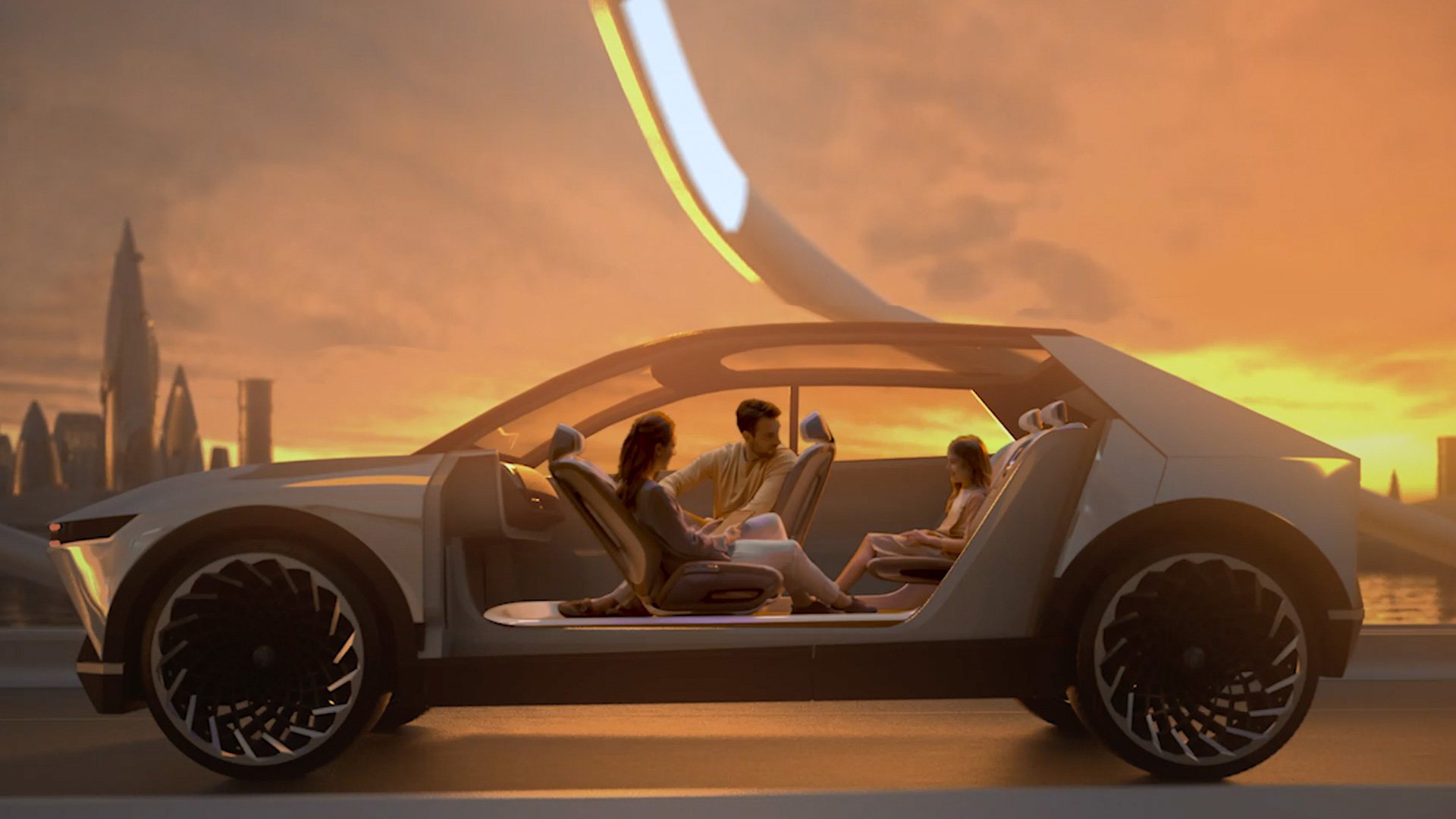
This project responds to Hyundai’s evolving design goals and emerging market trends. It focuses on creating a more sustainable future while drawing inspiration from the way nature solves complex problems. These principles come together in a forward-looking vision for autonomous vehicles, highlighting Hyundai’s commitment to innovation, responsibility, and long-term impact.


Exploring Nature– Which species most efficiently filters Earth's air?

Delving into researching algae under the microscope

@NatureLab– Using minimum equipment, we created our own mini wet lab cultivating microalgae!

Jellifying liquid microalgae cultures with hydrogel

Talking to professionals– MIT, Northeastern, URI, Roger Williams University professionals

Proof of Concept– Using professional PAM equipment, we proved the efficiency of air filtration via photosynthesis
Evolution of Concept


Due to large panoramic sunroofs and the problem of no sun protection and shade for the passenger, it opened up the chance for our algae material to be incorporated into these specific areas (highlighted in green circles).


This was the first in-scale physical iteration of the concept. This material is engineered to provide the passenger with clean air, and spark a visual and sensory curiosity for the power of nature.


Utilizing meticulous research on algae and collaboration with the HMG future design team, Hanroof is another imagination of how we could collaborate with nature in the context of future private and public transportation.
How It Works

Thinking Systematically

Instead of discarding used algae, the proposal suggests processing it in a biomass facility for reuse, highlighting Hyundai's potential to adopt algae as a regenerative material.

Moodboard of Concept


Inspired Patterns from Moodboard

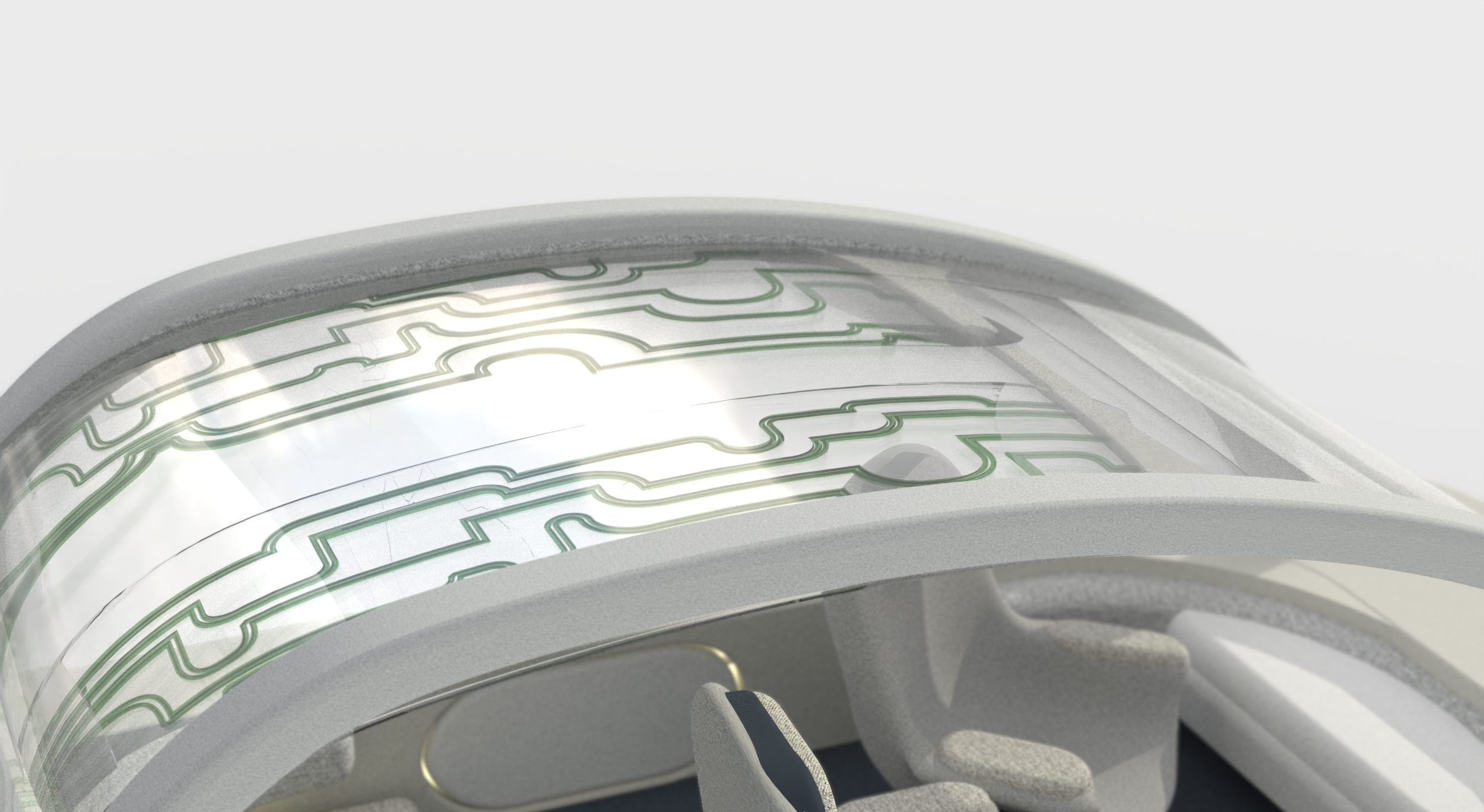
Seamlessly integrated into the ventilation system of this future vehicle, this modular algae panel provides not only passive clean air but also sunshade and curiosity for the immense power of nature.
